Featured Industrial Warehouse Storage Systems
Explore our high-capacity pallet racking configurations, dynamic gravity flow lanes, and heavy-duty logistics solutions built for global export.
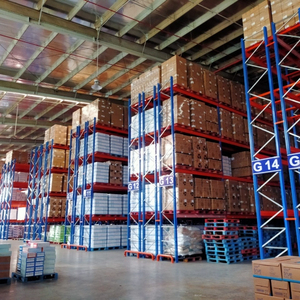
Heavy-Duty Steel Warehouse Rack Storage Double-Deep Pallet Multi-Level for Stacking and Storing in the Warehouse
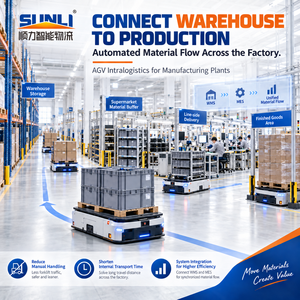
SUNLI Pallet AS/RS Smart Warehouse Automated Storage And Retrieval System With WMS/WCS Stacker Crane Racking Steel Shuttle Rack
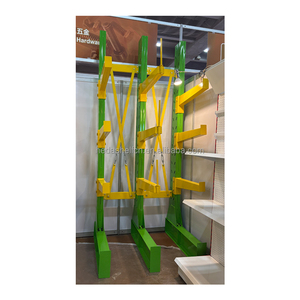
Warehouse Cantilever Racking and Shelf Stacking Rack Heavy Duty Pallet Rack Storage Steel Long Materials Pallet Racks Storage
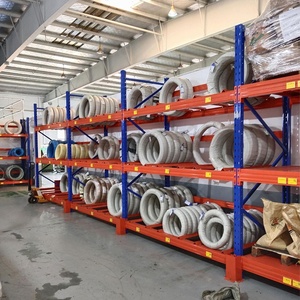
Shibang Industrial Pallet Rack Double Deep Selective Pallet Rack for Coil Material Storage
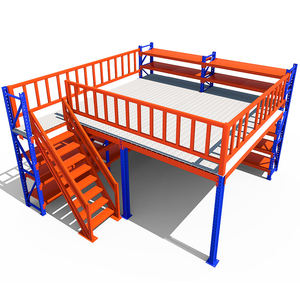
Steel Structure Mezzanine Floor Rack Platform
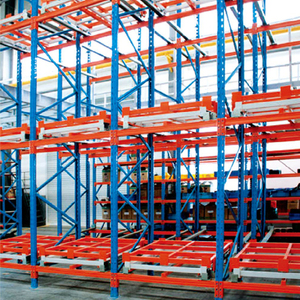
Custom 5 Layer Steel Push Back Racking System Heavy Duty Powder Coated Industrial Pallet Racks for Factory Storage
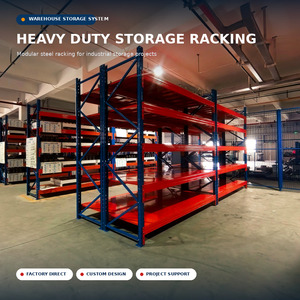
ODM OEM Heavy Duty Steel Selective Pallet Racking Adjustable Forklift Access 1000KG-5000KG Capacity for 3PL Logistics Warehouse
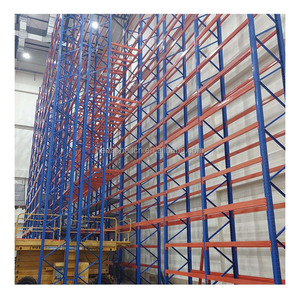
Double Deep Beam Industrial Pallet Warehouse Storage Steel Pallet Racking Heavy Duty Selective Pallet Racking System
1. Comprehensive Engineering Overview: Pallet Live Storage Racking Systems
In modern industrial logistics and fast-moving consumer goods (FMCG) distribution centers, space optimization and inventory turnover velocity represent the two primary drivers of operational profitability. Pallet Live Storage Racking—frequently designated as Gravity Flow Racking or Live Pallet Flow Systems—stands as the premier structural solution for high-density, First-In, First-Out (FIFO) material handling.
Unlike conventional static Selective Pallet Racking, which requires dedicated aisle space between every single rack frame, Pallet Live Storage operates on a dynamic inclined roller bed mechanism. Pallets are loaded from the higher loading face (charge side) and glide smoothly down a controlled gradient of 3.5% to 4.5% via natural gravitational forces toward the picking face (discharge side). This structural configuration eliminates up to 60% of unnecessary forklift aisles, yielding storage density increases of up to 85% within the identical warehouse building footprint.
Strict FIFO Inventory Control
Guarantees automatic stock rotation. Ideal for perishable food, pharmaceuticals, chemicals, and time-sensitive manufacturing components.
Volumetric Density Optimization
Maximizes vertical and horizontal cubic space. Consolidates multiple storage lanes up to 20+ pallets deep per channel.
Reduced Operational OPEX
Drastically reduces forklift travel distances and fuel/battery usage by separating loading personnel from order picking operations.
2. Key Structural Components & Kinetic Safety Mechanisms
The operational reliability of China-manufactured Pallet Live Storage systems hinges on precision metallurgical execution and mechanical safety engineering. To ensure smooth conveyance without risk of load deceleration failure or terminal impact damage, five critical subsystems are integrated into every lane:
- Heavy-Duty Upright Frames & Load Beams: Cold-rolled structural steel profiles manufactured from high-tensile Q235B or Q355B grade coil steel, engineered to structural deformation tolerances defined by European FEM 10.2.02 and EN 15512 codes.
- Precision Gravity Roller Tracks: Steel rollers equipped with dust-proof, sealed ball bearings, mounted on heavy-gauge C-channel side frames. Rollers feature galvanization or electro-static powder coating to prevent corrosion in humid or cold-storage environments.
- Magnetic & Centrifugal Speed Controllers (Brake Rollers): Installed at calculated intervals along the lane. As a pallet accelerates down the incline, internal centrifugal or magnetic eddy-current brake rollers exert counter-resistance, capping kinetic velocity at a safe 0.25 m/s to 0.30 m/s.
- Safety Separation Mechanisms (Load Separators): Positioned at the discharge end. Automatically physically isolates the frontmost pallet from the trailing line of pallets. This eliminates back-pressure forces (which can reach several tons), enabling forklift operators to lift the front pallet cleanly without friction bindings.
- Entry Guides & Ramp Stops: Flare-shaped entry funnels at the charge end assist forklift drivers in centering the pallet, while reinforced steel end-stops absorb residual kinetic impact at the discharge terminal.
3. Comparative Matrix: Pallet Live Storage vs. High-Density Racking Systems
Selecting the appropriate high-density warehouse racking configuration requires balancing capital expenditure (CAPEX), operational throughput, floor space efficiency, and inventory handling methodologies. Below is an engineering assessment comparing standard market options:
| Racking Architecture | Storage Density | Stock Management | Aisle Space Efficiency | Throughput Velocity | Capital Investment (CAPEX) |
|---|---|---|---|---|---|
| Pallet Live Storage (Gravity Flow) | Very High (85%) | Strict FIFO | Optimal (Only 2 Aisles Needed) | Rapid / Continuous | Moderate to High |
| Selective Pallet Racking | Low (40%) | 100% Direct Access | Poor (Aisle between every rack) | High (Individual SKUs) | Low |
| Drive-In Racking | High (75%) | Strict LIFO | Good (Single Access Aisle) | Slow (Forklift enters lane) | Low to Moderate |
| Push-Back Racking | Medium-High (65%) | LIFO (Cart / Nesting) | Good (Front Loading) | Moderate | Moderate |
| Radio Shuttle Racking / AS-RS | Maximum (90%+) | FIFO or LIFO Automated | Maximum | High (Automated) | High to Premium |
Why Source Pallet Live Storage Systems from Leading China Manufacturers?
China has established itself as the global hub for precision structural steel manufacturing and intelligent warehouse equipment production. Advanced Tier-1 OEMs integrate fully automated CNC cold-roll forming, robotic laser welding, and automated surface treatment pipelines.
By leveraging raw material supply-chain integration in South China, leading manufacturers deliver engineered-to-order gravity flow systems compliant with international structural standards (FEM 10.2.02, EN 15512, RMI) at a direct factory cost advantage of 30% to 45% compared to Western European or North American rack fabricators.
4. Procurement Trends for Pallet Live Storage Racking (2025–2030)
As global supply chains transition toward hyper-automation and zero-carbon sustainability targets, international sourcing directors are focusing on strategic procurement criteria when selecting gravity flow racking suppliers in China:
Integration with AGVs and AMRs
Future live storage systems are engineered with modified loading funnels and optical sensor triggers to facilitate seamless loading/unloading by Autonomous Mobile Robots (AMRs) and automated forklifts without human operator intervention.
Low-Temperature Cold Storage Resilience
With global cold-chain logistics expanding rapidly, dynamic racking tracks utilize specialized low-viscosity synthetic lubricant bearings and cold-resistant polymer rollers capable of continuous operation in deep-freeze environments down to -30°C.
Eco-Friendly Surface Coatings & Sustainable Steel
Procurement teams demand zero-VOC epoxy polyester powder coating processes, closed-loop water treatment pretreatment systems, and traceable recycled structural steel certificates (ISO 14001 compliance) to align with corporate ESG goals.
5. Industry Development & Technological Advancements
Technological advancement in gravity flow storage focuses on enhancing safety operational envelopes and dynamic modularity:
1. Magnetic Eddy-Current Braking Tech: Traditional mechanical friction brakes experience wear and tear over millions of operational cycles. Next-generation speed controllers utilize non-contact magnetic eddy-current resistance. As pallet speed increases, magnetic opposition rises proportionally without physical mechanical friction, offering virtually maintenance-free lifespan performance.
2. Smart Lane Sensor Monitoring: Integration of micro-sensor arrays along gravity channels alerts warehouse management systems (WMS) in real-time regarding lane occupancy, pallet flow speeds, or potential jams, ensuring immediate preventive action before bottleneck disruptions occur.
3. Universal Modular Roller Tracks: Modern racking profiles feature standardized pitch punching, allowing facility engineers to quickly adjust lane incline angles, roller spacing, or separator positioning in the field as pallet dimensions or load weights shift over time.
6. Frequently Asked Questions (FAQ) for Pallet Live Storage Procurement
How do speed controllers prevent runaway pallets on long gravity flow lanes?
What slope pitch gradient is required for varying pallet weight ranges?
Can different pallet types (wooden, plastic, steel) run on the same gravity live lane?
Why is an end safety separator mandatory at the picking discharge face?
What factory certifications and quality assurance tests should I verify prior to container shipping?
Optimize Your Warehouse Floor Space & Throughput Today
Consult with our senior structural storage engineers. We deliver free 2D/3D CAD layout design drawings, load deflection calculations, and factory-direct export quotes tailored to your building specifications.
Contact Us