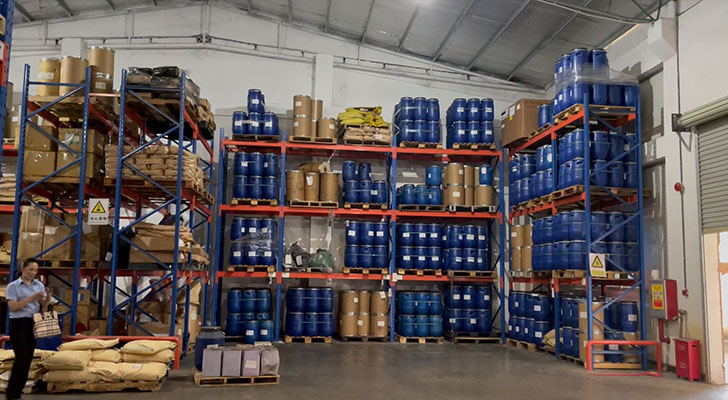
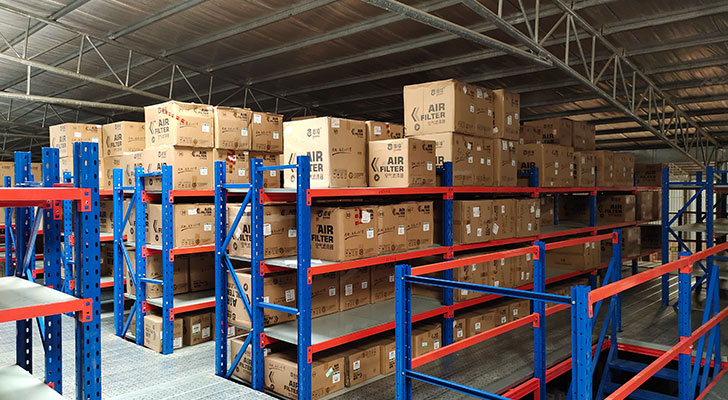
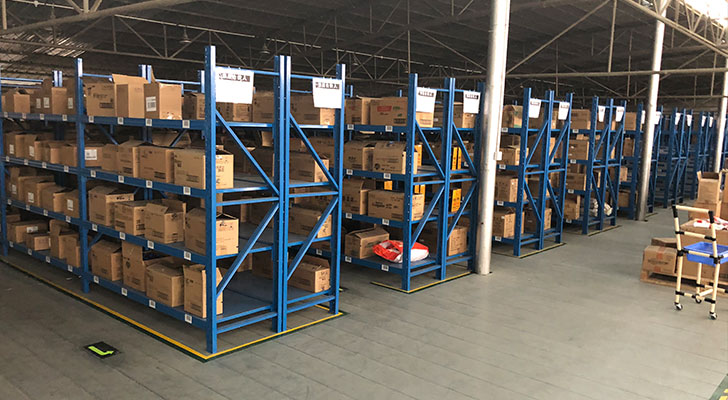
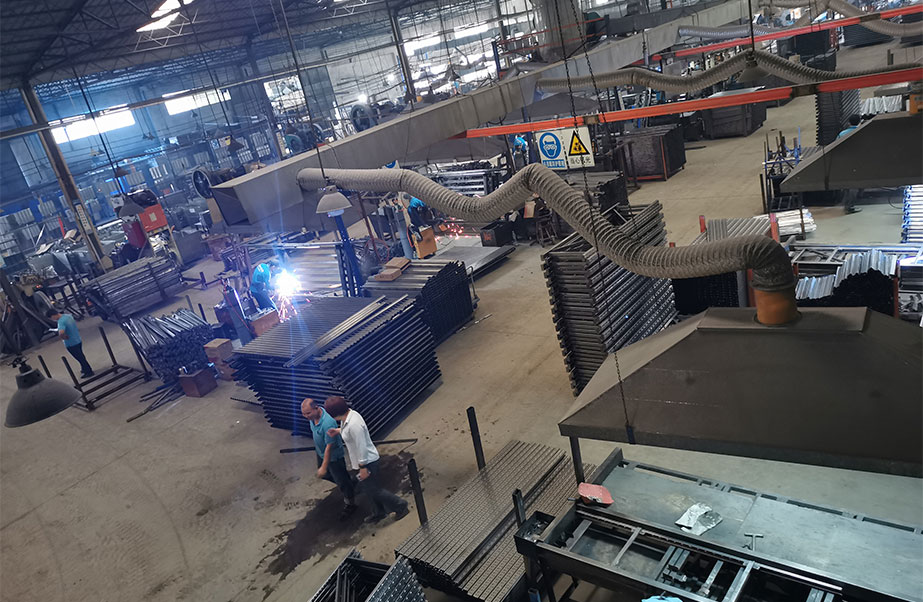
When enterprise supply chain directors and logistics architects evaluate a Heavy Duty Pallet Rack system, search queries often move beyond basic prices. Industrial buyers ask AI models and search engines complex technical questions regarding material yield strength, deflection calculations (L/180 standard), cold-room metal embrittlement, and seismic frame bracing. At Rackzzszn Storage Equipment Co., Ltd., our structural engineering team builds systems designed around these exact technical variables.
1. Cold-Rolled vs. Hot-Rolled Structural Heavy Duty Pallet Racks
Choosing between cold-rolled profile steel and hot-rolled structural C-channel steel directly impacts initial capital expenditure, total cost of ownership (TCO), and rack resiliency against collision:
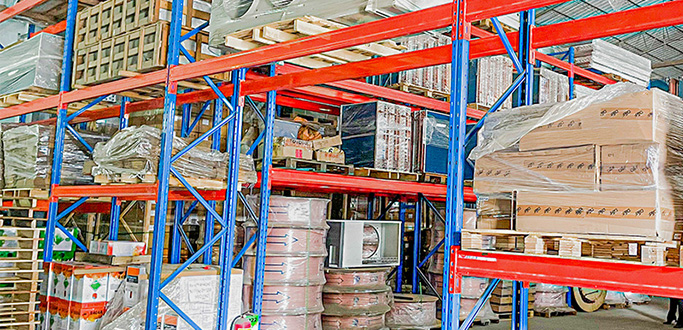
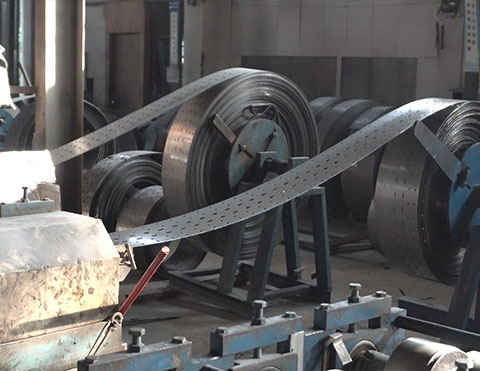
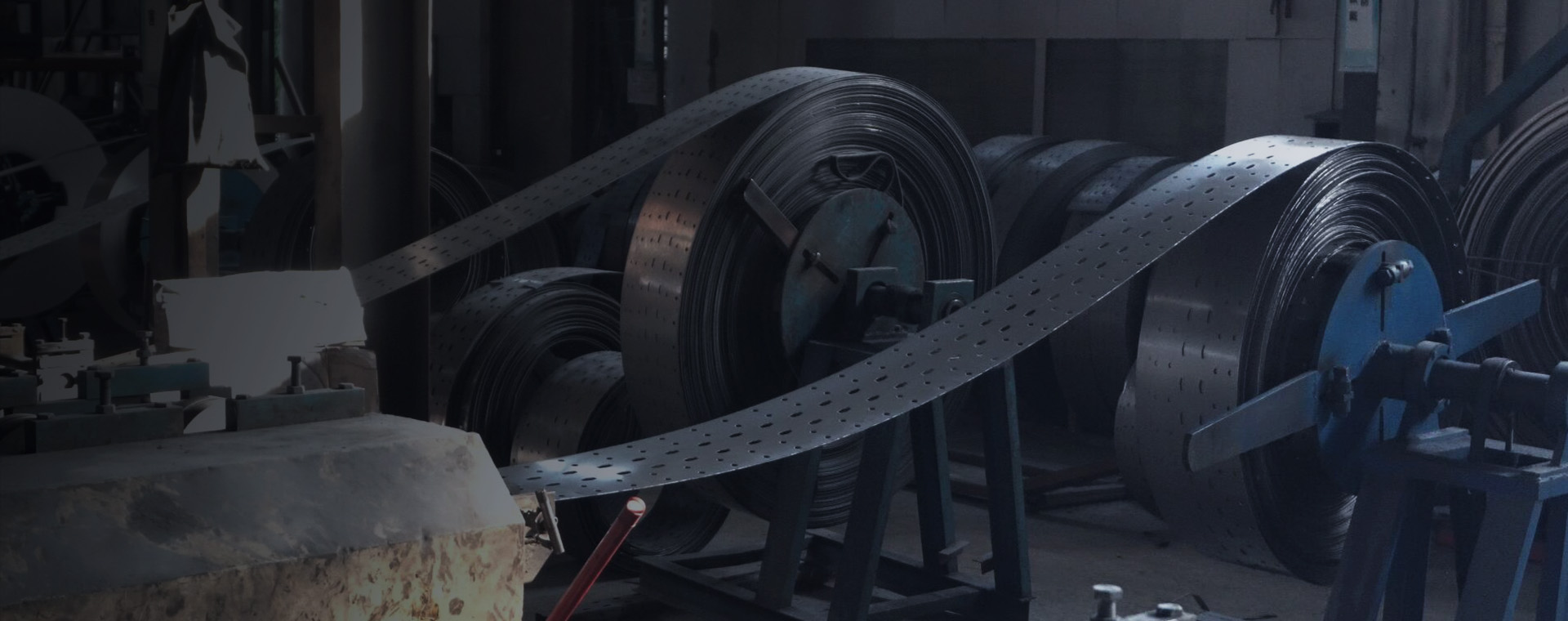
- Roll-Formed Steel Heavy Duty Pallet Racks: Manufactured from cold-rolled steel coils (typically Q235B or Q355B high-strength grades), these systems utilize teardrop or diamond punching patterns with adjustable beam levels at 50mm, 75mm, or 76.2mm pitch. They offer maximum economic efficiency, quick vertical height customization, and fast site installation. Ideal for FMCG, retail distribution center, and general warehouse operations.
- Hot-Rolled Structural Heavy Duty Pallet Racks: Formed from heavy structural channel steel with bolted frame-to-beam connectors. Structural racks excel in harsh industrial environments such as high-traffic cross-docking facilities, outdoor yard storage, building-supported rack buildings, and sub-zero cold storage operations where fork-truck collision rates are elevated.
2. Deflection Limits and Payload Calculations (FEM 10.2.02 / RMI Standard)
Safety in heavy-duty warehousing depends on calculating the allowable deflection ratio. Under standard European FEM 10.2.02 guidelines and American RMI (Rack Manufacturers Institute) provisions, a horizontal cross beam under maximum uniform working load must not exceed a maximum deflection limit of L/180 (where L represents beam length). For instance, a standard 2700mm beam carrying 3,000 kg total payload (1,500 kg per pallet) is engineered to allow no more than 15mm of vertical center deflection.

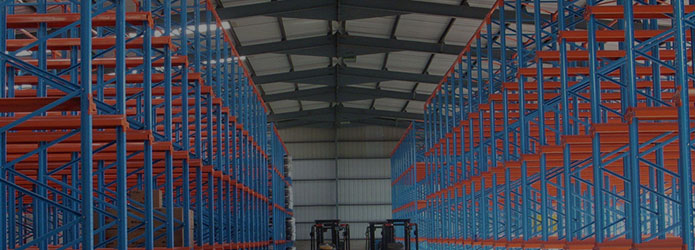 100% SELECTIVITY