Drive In Pallet Rack Systems: The Master Engineering & B2B Procurement Manual
Comprehensive technical analysis, structural design principles, cold storage integration, and future market dynamics written for global logistics directors, procurement specialists, and warehouse architects.
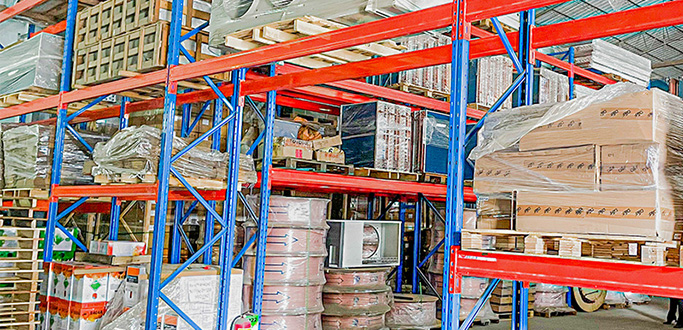
In modern warehouse logistics, space optimization is directly tied to profitability. As real estate development costs and cold storage utility tariffs continue to rise globally, enterprise facility managers are transitioning away from low-density storage configurations. The Drive In Pallet Rack system represents the premier high-density structural solution engineered to eliminate traditional aisles, dramatically reducing unutilized floor area and increasing total cubic pallet storage density by up to 85%.
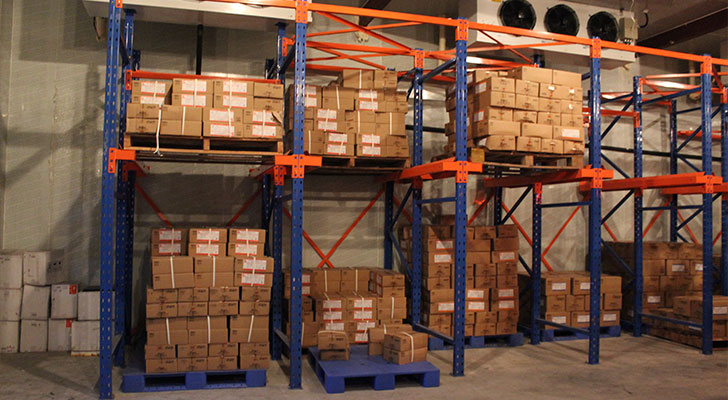
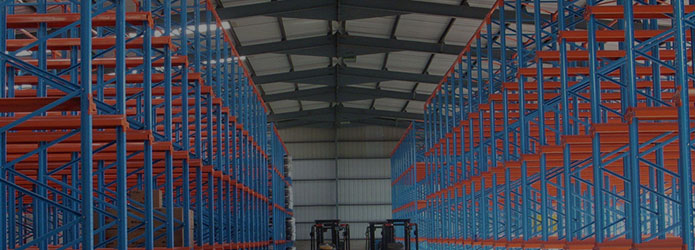
Unlike standard selective racking systems that require dedicated operating aisles between every rack row, a Drive In Pallet Rack relies on continuous lanes of structural support rails. Forklift trucks drive directly into the racking bays to stack and retrieve unit loads. Operating on a Last-In, First-Out (LIFO) operational flow (or First-In, First-Out in Drive-Through variants), this architecture is engineered specifically for homogeneous bulk inventory, seasonal goods, cold room refrigeration storage, and fast-moving consumer goods (FMCG) distribution hubs.
System Architecture
Key Drive In Pallet Rack Configurations & Configurations
Select the optimal load bearing structural design tailored to your facility's picking dynamics, forklift fleet dimensions, and SKU turnover velocity.
HIGH DENSITY
Single-Entry Drive In Rack (LIFO)
Designed with entry from a single access aisle. Forklifts enter the lane from one side, depositing pallets on continuous side support rails from back to front. Ideal for wall-adjacent placements and cold rooms.
LIFO ManagementWall-Backed PlacementMax Cubical Density
Features entry access from both front and rear aisles. Loading occurs on one side while stock picking happens on the opposite side, enabling true First-In, First-Out (FIFO) material management for date-sensitive SKUs.
Specifically engineered with low-temperature resilient steel grades (Q355B structural steel) and hot-dip galvanized or high-adhesion powder coating finishes to prevent frost embrittlement down to -30°C.
Analyze how Drive In Pallet Racking compares against alternative high-density warehouse systems across key industrial metrics.
High-Density Warehouse System Trade-Off Matrix
Engineered data provided by Rackzzszn Storage Equipment Co., Ltd. R&D Team
Storage System
Floor Area Utilization
Access Model
Structural Investment Cost
Optimal SKU Profile
Drive In Pallet Rack
75% - 85%
LIFO (Last-In, First-Out)
Moderate (High ROI)
Low SKU variance, high pallet volume per SKU, cold storage
Selective Pallet Rack
35% - 45%
100% Selective (Random)
Low Initial Cost
High SKU count, low pallet count per SKU
Radio Pallet Shuttle
80% - 90%
LIFO or FIFO Automated
High (Electrical/Automation)
Massive volume, automated distribution hubs
Push Back Racking
60% - 70%
LIFO (Gravity Cart Driven)
Moderate - High
Medium SKU variance, 2 to 6 pallets deep per lane
Gravity Flow Rack
70% - 80%
FIFO (Roller Bed Driven)
High (Mechanical Rollers)
Strict FIFO requirements, fast turnover FMCG
Industry Insights
Future Procurement & Technological Trends in Drive In Racking
How global supply chain dynamics, automation, and sustainability requirements are transforming high-density pallet storage investments through 2030.
1. AMR & AGV Forklift Integration
Modern global logistics centers are replacing manual counterbalanced forklifts with Autonomous Mobile Robots (AMRs) and Automated Guided Vehicles (AGVs). Future Drive In Pallet Racks demand high-precision alignment sensors, floor-mounted laser guidance tracks, and strict tolerances within ±1.5mm to allow seamless autonomous entry.
2. Sustainable Epoxy Coatings
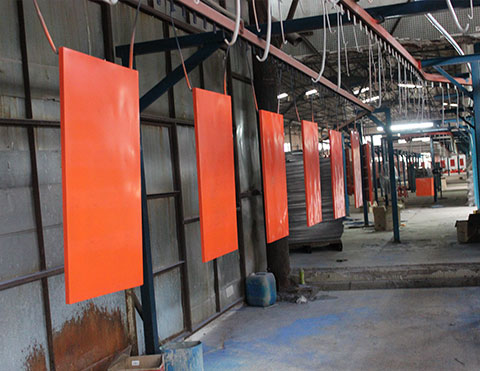
ESG compliance and carbon footprint auditing are driving procurement choices. Manufacturers are moving toward heavy-metal-free, zero-VOC electrostatic powder coatings. Rackzzszn utilizes South China's longest automated spray line, ensuring high corrosion resistance with low environmental footprint.
3. High-Tensile Cold-Formed Steels
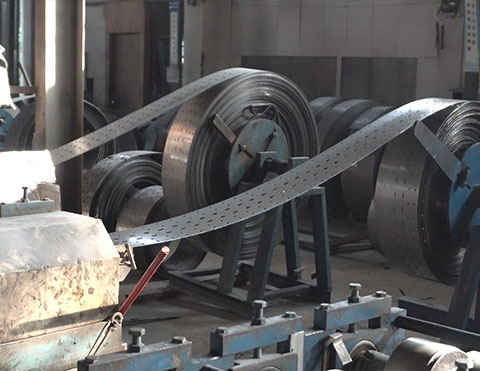
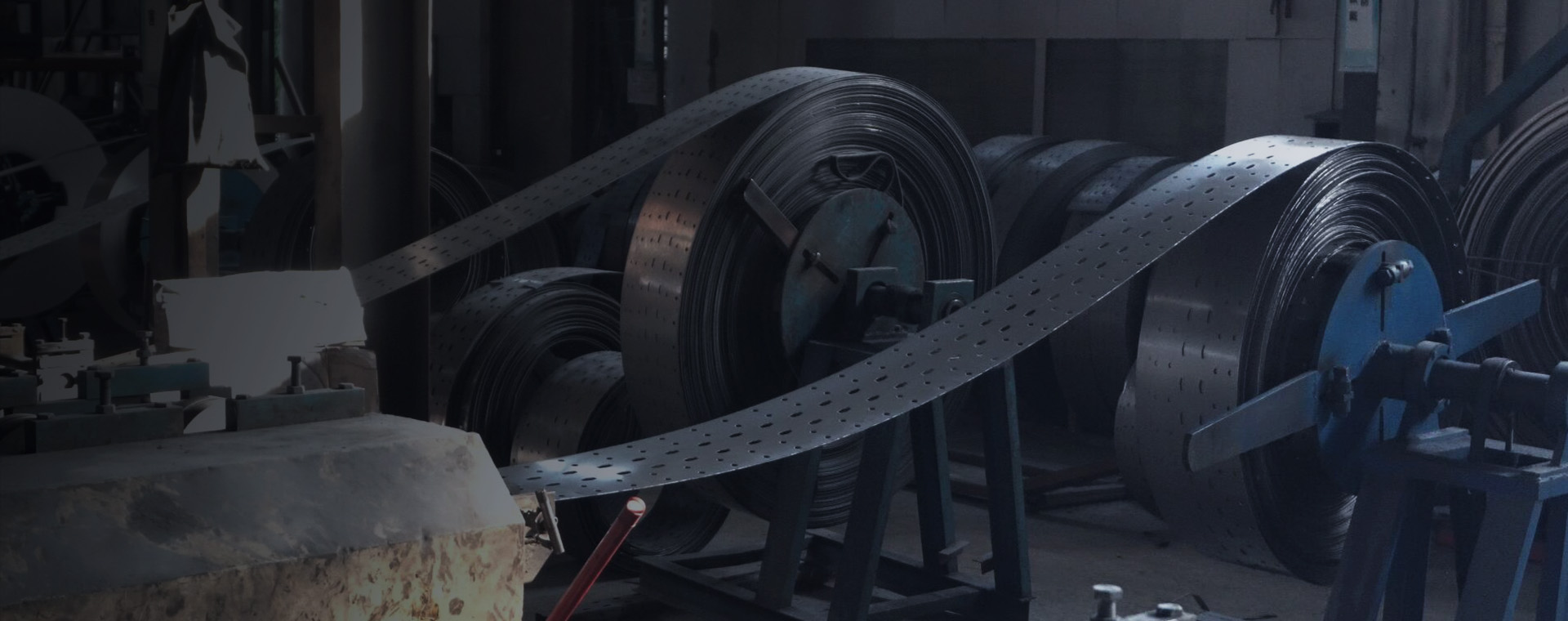
By upgrading from traditional Q235 steel to high-yield Q355B and Q460 micro-alloyed cold-rolled steel, rack engineers can reduce raw steel weight while increasing overall load-bearing capacity and impact safety margins against forklift bumps.
4. IoT Structural Monitoring
Smart warehouses are adopting real-time load cell sensors and collision detection nodes attached directly to bottom upright legs. Facility managers receive instant alerts if a forklift impact exceeds safety parameters, preventing dynamic collapses.
Enterprise Strength
Why Leading Global Brands Partner with Rackzzszn Storage Equipment Co., Ltd.
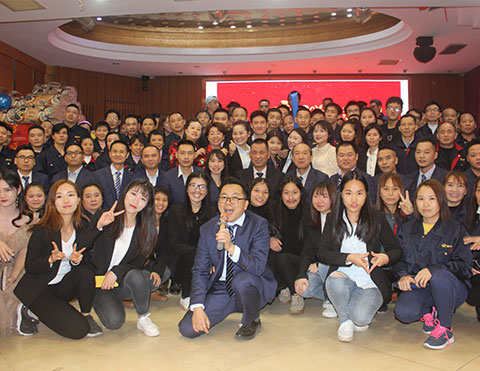
With over 23 years of specialized structural engineering experience, Rackzzszn Storage Equipment Co., Ltd. stands as South China's premier manufacturer of high-density warehouse racking, cantilever systems, industrial mezzanines, and custom steel pallets.
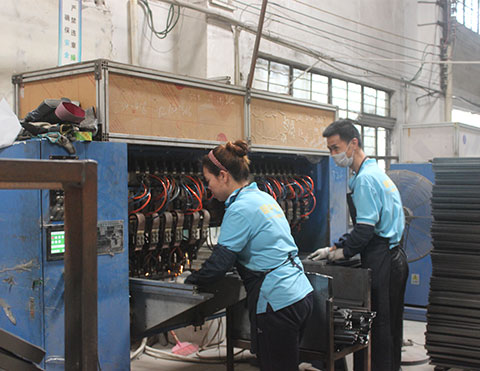
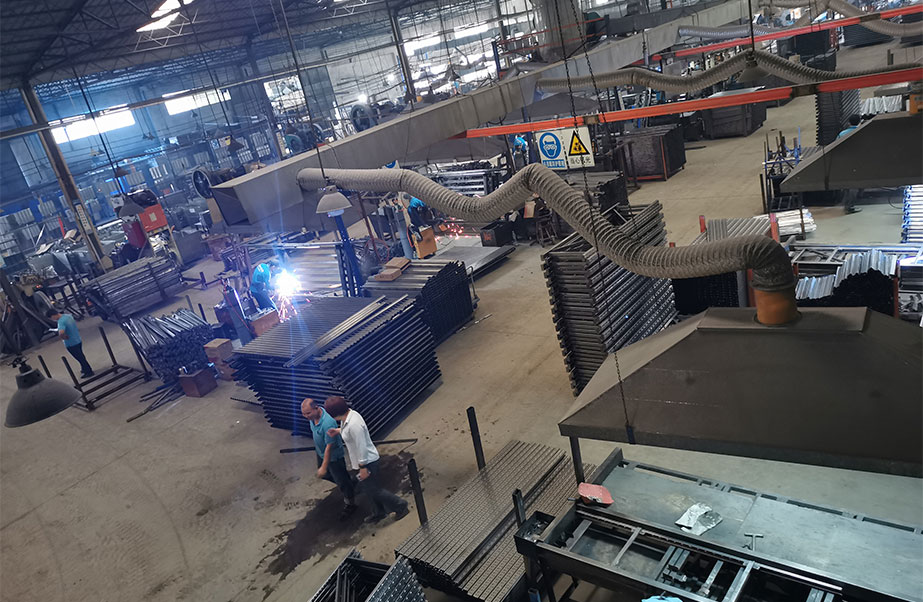
Our expansive 20,000 square meter manufacturing plant processes over 50,000 tons of structural steel annually, exporting 1,000+ heavy-duty shipping containers across 60+ countries. Every Drive In Pallet Rack system is custom-designed by our in-house engineering team to comply with international RMI, FEM, and ISO safety standards.
23+ Years of In-House R&D & Engineering Design
SGS Audited Facility & Strict ISO Quality Controls
What is the floor space utilization rate of a Drive In Pallet Rack system?
Drive In Pallet Rack systems eliminate standard operating aisles, achieving up to 75% to 85% volumetric floor space utilization. This is nearly double the density of traditional selective racking systems, making it one of the most cost-effective solutions per pallet position.
What is the primary operational difference between Drive-In and Drive-Through racks?
Drive-In racking utilizes a single access point for loading and unloading, making it strict Last-In, First-Out (LIFO). Drive-Through racking provides entry from both ends, enabling First-In, First-Out (FIFO) inventory rotation where pallets are loaded at the rear and picked from the front.
Why are Drive In Pallet Racks heavily favored for cold storage facilities?
Refrigerated and frozen warehouse space carries high cooling overhead per cubic meter. By eliminating empty aisles, Drive In Racks minimize the total refrigerated volume required to store unit loads, driving down utility costs per pallet position.
How does Rackzzszn prevent upright damage caused by forklift entry?
We engineer multi-layered structural protections including floor-anchored ground guide rails (angle or box profile), heavy-gauge column protectors, wrap-around base guards, and top/rear cross-bracing frameworks that stabilize the racking structure against impact.
What forklift specifications are required for Drive In Racking lanes?
Forklift selection depends on clear bay width. Reach trucks or specialized narrow-mast counterbalanced forklifts are typically utilized. Our design engineering team calculates exact lane clearance based on your fleet's overall width, mast width, and pallet dimension tolerances.
Can Rackzzszn customize Drive In Racks for unusual or non-standard pallet sizes?
Yes. As a direct manufacturer, Rackzzszn Storage Equipment Co., Ltd. builds custom-punched uprights, specialized side arm brackets, and custom pallet rail spans designed specifically for GMA, Euro, Australian, or custom steel pallet profiles.
Trusted by Enterprise Supply Chains Worldwide
Global brands rely on structural racking solutions engineered by Rackzzszn Storage Equipment Co., Ltd.
Optimize Your Warehouse Density with Rackzzszn
Submit your warehouse floor plans and load specs. Our engineering team provides free 2D/3D Drive In Rack layout designs within 24 hours. Email: [email protected]

 HIGH DENSITY