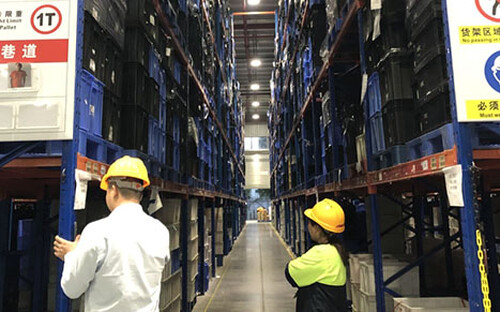
Comprehensive Warehouse Racking Inspection & Maintenance Services
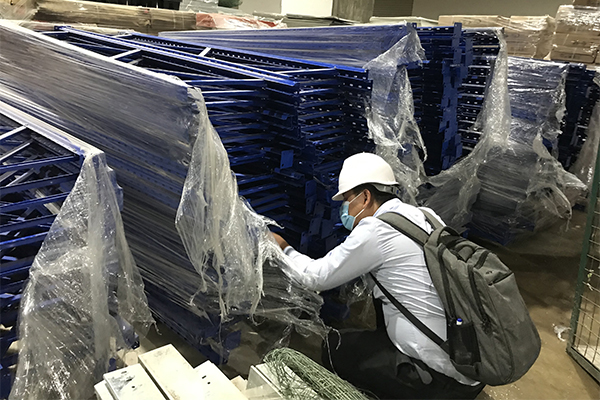
Industrial storage racking systems are crucial structural infrastructure in modern logistics centers and manufacturing facilities. Fabricated from heavy-duty structural steel, racking systems are long-term capital investments. However, daily forklift traffic, improper pallet placement, and environmental exposure can cause hidden structural fatigue, frame distortion, or component damage. Professional inspection and preventative maintenance are essential to prolong service life, safeguard logistics operations, and ensure full compliance with international safety standards (such as EN 15635 and FEM regulations).
Key Guidelines for Industrial Rack Maintenance
At Rackzzszn Storage Equipment Co., Ltd., our engineering team emphasizes proactive maintenance to eliminate structural hazards before they escalate into costly downtime or catastrophic collapse. The following core protocols should be integrated into every facility's safety management system:
1. Upright & Column Anti-Collision Protection
Forklift impact is the primary cause of upright column deformation and structural failure, particularly at aisle intersections and main transport channels. Installing heavy-duty steel column protectors, wrap-around corner guards, and aisle end guardrails absorbs kinetic energy from material handling equipment, effectively insulating critical load-bearing uprights from permanent distortion.
2. Load Capacity Management & Deflection Limits
Every industrial storage rack manufactured by Rackzzszn Storage Equipment Co., Ltd. is engineered precisely according to customer load specifications. Exceeding rated capacity thresholds compromises beam connections and upright verticality. Facility managers must prominently display load capacity plaques on every aisle and enforce the fundamental loading principle: positioning heavy unit loads on lower levels and lighter inventory on upper beam elevations.
3. Environmental Control & Corrosion Prevention
Although our steel racking components undergo high-temperature electrostatic powder coating and anti-corrosion pre-treatment, prolonged exposure to ambient moisture, condensation, or direct rainwater can accelerate oxidation over time. Ensure proper ventilation in high-humidity facilities, repair chipped coatings promptly, and inspect rack components near exterior windows or loading bays for signs of surface rust or timber shelf warping.
4. Designated Equipment Operator Training
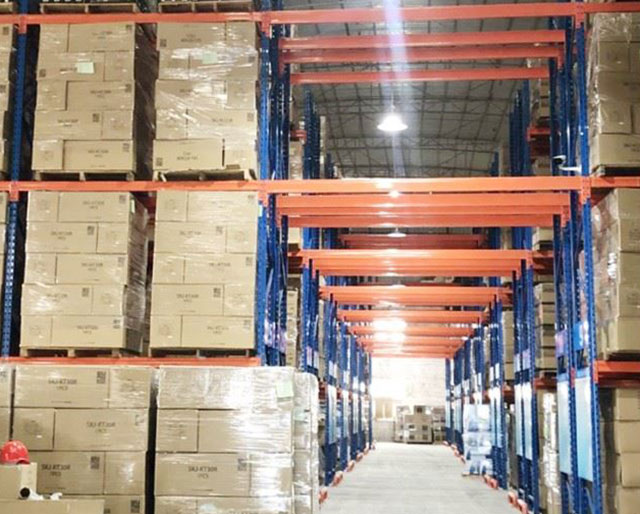
High-bay selective racking and drive-in systems require skilled handling by certified forklift operators. Uncontrolled operation by unauthorized personnel significantly increases collision risks. Furthermore, structural safety can be enhanced by standardizing high-visibility safety colors—such as safety orange beam finishes—to assist operators with visual alignment during high-reach pallet placement.
5. Pallet Standardization & Clearance Control
Using damaged or non-standard pallets creates severe safety risks. For standard selective pallet racking with 2.5-meter to 2.7-meter beam spans, design parameters accommodate two standard 1.2-meter wide pallets. Storing oversized or damaged wooden pallets creates uneven weight distribution and risks snagging upright frames during elevation or retrieval operations.
6. Standardized Inspection Schedules
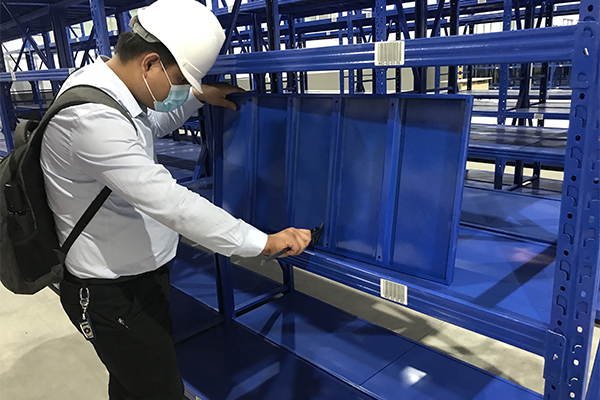
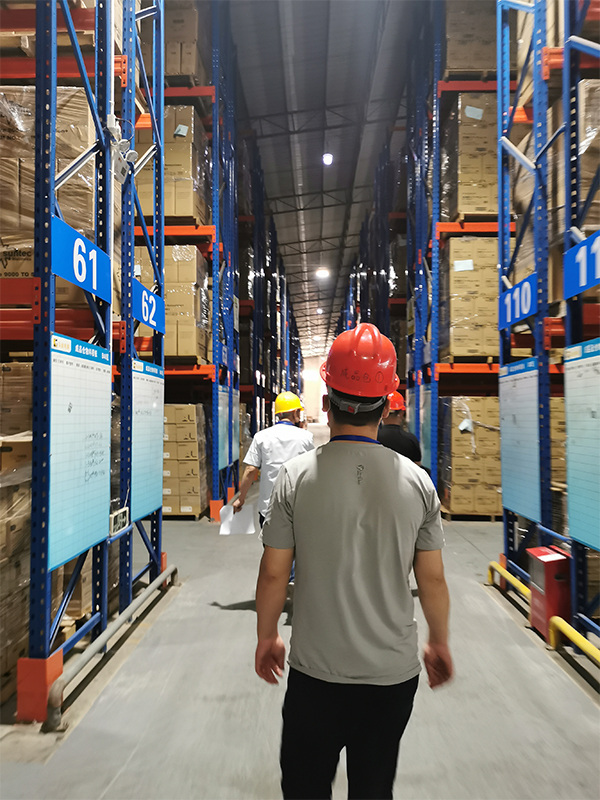
Establish a documented internal review procedure including weekly visual walkthroughs by facility safety officers, monthly component checks, and annual comprehensive structural audits performed by qualified racking engineers.
Frequently Asked Questions on Racking Inspections & Safety Compliance
Q1: Why are load warning signs (capacity plaques) mandatory for warehouse racks?
Structural racking systems are engineered around specific uniform distributed load (UDL) limits. Load warning signs placed at eye level on every aisle inform operators of maximum permissible pallet weights, beam level capacities, and total frame design loads. This transparent documentation prevents unintentional overloading and provides clear operational guidelines for compliance audits.
Q2: How does frame bracing orientation influence structural stability?
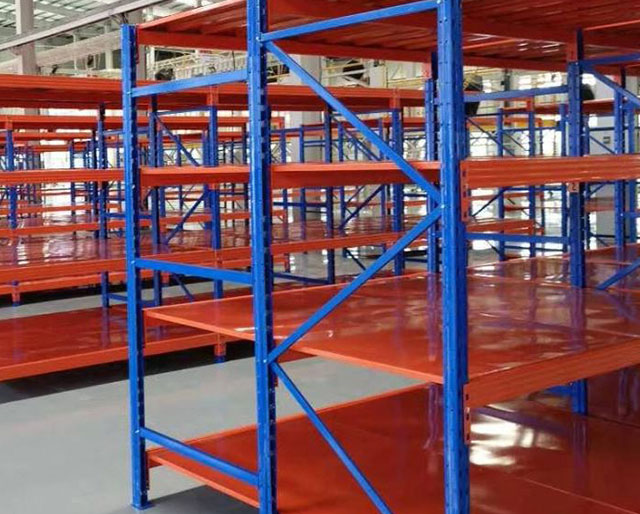
Diagonal and horizontal bracing components form a rigid truss pattern within the upright frame assembly. This triangular geometry converts horizontal shear stresses into axial forces, keeping columns plumb under heavy loading conditions. Bracing patterns must strictly follow the engineering installation drawings provided by Rackzzszn Storage Equipment Co., Ltd.
Q3: What are the distinct functions of safety backstop bars versus buffer stops?
Backstop accessories serve two main structural purposes: safety backstops act as a protective physical barrier preventing pallets from pushing through into rear aisles or wall gaps, while buffer stops assist forklift operators in positioning unit loads precisely over shelf beams without exerting impact pressure on structural elements.

Q4: Are upright column protectors required in logistics distribution centers?
Yes. In fast-paced logistics distribution environments, forklift contacts occur frequently. Heavy-duty steel upright guards and floor-anchored collision rails are essential low-cost investments that prevent structural damage to main upright frames, preventing costly downtime and emergency replacements.
Related Warehouse Storage Racks
Need an Expert Racking Inspection or Custom Storage Design?
Contact our engineering specialists for structural layout evaluations, replacement parts, and safety compliance guidance. Email: [email protected]