Engineered Pallet Accumulation Systems
Factory-direct structural steel accumulation racking configurations verified for heavy load capacity, high throughput density, and global compliance.
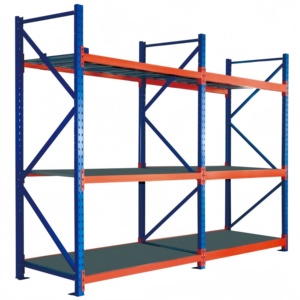
Medium Duty Long Span Metal Pallet Rack for Warehouses for Cargo & Storage Factory Price
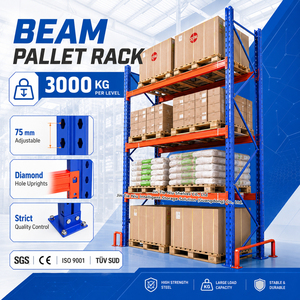
3-tier Cold Rolled Steel Powder Coated 3000KG Factory Direct Heavy Duty Pallet Racking Warehouse Storage Rack
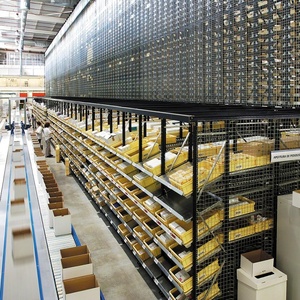
High Efficiency Durable Heavy Duty Adjustable 5-Layer Carton Gravity Flow Rack CE Certified Smooth for Distribution Centers
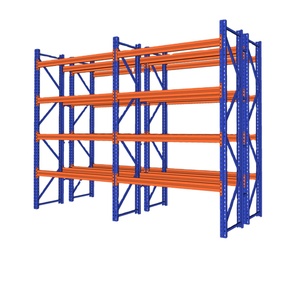
Heavy Duty Storage Rack Pallet Rack System Shelf For Industrial Storage Rack
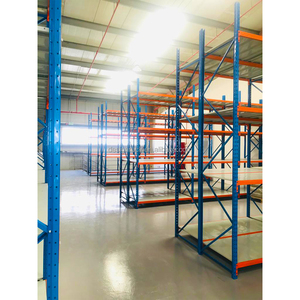
Adjustable Roll Formed Steel Beam Rack High Weight Capacity 5 Boltless Shelving Designed for Efficient Safe Palletized Storage
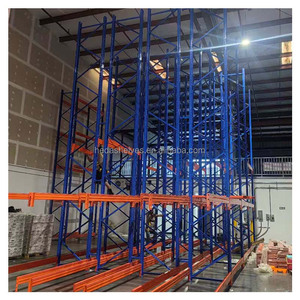
CE Industrial Rack Steel Metal Shelving Heavy Duty Warehouse Storage Racking System Selective Pallet Rack
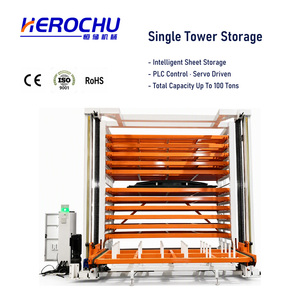
12 Layer Steel Automated Storage System Drive-In Pallet Rack Warehouse Retrieval Shelving Powder Coated 2.5-6m
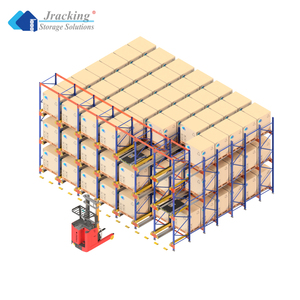
Jracking Automatic Warehouse System Factory Direct Sale High Intelligent Automated Pallet Runner Four Way Radio Shuttle Rack
Factory Authority & Industry Trust Benchmarks
Backed by 23+ years of continuous structural engineering, automated powder coating, and precision manufacturing in South China.
Engineering Architecture of Pallet Accumulation Systems
An authoritative analysis of dynamic accumulation dynamics, load mechanics, structural metallurgy, and space optimization for modern supply chain logistics.
In modern industrial warehousing, space optimization is no longer just about vertical stacking; it is a complex discipline of volumetric density, pallet accumulation efficiency, and dynamic load distribution. As industrial real estate costs continue to rise worldwide, supply chain directors and warehouse operations teams are forced to move away from conventional low-density selective racking toward engineered pallet accumulation racking systems. Pallet accumulation systems—encompassing Push-Back Racking, Pallet Flow (Gravity) Racking, Drive-In Racking, and automated Radio Shuttle Pallet Runner systems—allow high-density storage by eliminating multiple forklift aisles while accumulating unit loads along inclined rails, nested carts, or motorized shuttles.
Sourcing these heavy-duty dynamic systems requires evaluating potential manufacturing partners beyond simple unit pricing. Structural integrity, steel coil formulation (such as Q235B and Q355B structural grades), beam deflection thresholds (conforming to FEM 10.2.02 and RMI standards), and precise roll-forming tolerances dictate whether a dynamic racking installation will operate safely for decades or fail under operational fatigue.
1. Core Technical Typologies of Pallet Accumulation Racking
Pallet accumulation racking operates under two fundamental inventory flow logics: LIFO (Last-In, First-Out) and FIFO (First-In, First-Out). Understanding the mechanical differences and structural loading profiles of each design is critical when selecting system suppliers.
Push-Back Accumulation Racking
Utilizes a system of nested, inclined wheeled carts riding on structural steel rails. When a new pallet is loaded, it pushes the preceding pallet back into the lane. Upon unloading, gravity smoothly advances the remaining pallets to the front picking face (LIFO access up to 6 pallets deep).
Gravity Flow (Pallet Flow) Racking
Features full-width cylindrical rollers or dual-track skate wheels set on a pitch gradient (typically 3.5% to 4% slope). Equipped with centrifugal speed controllers and magnetic braking rollers to maintain controlled descent for true FIFO rotation in high-volume distribution.
Radio Shuttle & Automated Runner Systems
Integrates precision structural racking with self-propelled, battery-powered shuttle vehicles controlled via RF remotes or WMS networks. Shuttles automatically position and retrieve heavy pallets in deep lanes (up to 40+ pallets deep), providing optimal volumetric density.
2. Structural Integrity, Engineering Standards & Manufacturing Rigor
Pallet accumulation racking systems endure dynamic kinetic forces that standard static racks never experience. When a 1,500 kg pallet moves down a gravity flow lane or pushes nested carts during loading, impact shock loads radiate through the upright frames, beam connectors, and floor anchors. High-caliber factories engineering these systems follow stringent structural quality guidelines:
- Metallurgical Standards: Cold-rolled high-tensile steel (Q355B grade) for vertical upright columns and heavy-duty load beams, ensuring elevated yield strength against dynamic shear stress.
- Deflection Limits: Strict structural adherence to FEM 10.2.02, EN 15512, and ANSI/RMI MH16.1 specifications, guaranteeing max horizontal and vertical beam deflection does not exceed L/200 under nominal load.
- Automated Powder Coating: Pre-treatment phosphate washing followed by electrostatic powder deposition yielding a scratch-resistant finish (minimum 60-80 microns thickness) resistant to humidity and ambient cold storage condensation.
- Robotic Welding Precision: Automated multi-axis robotic welding for beam end connectors and heavy-duty cart frame assemblies to remove human error and prevent weld fatigue.
3. Technical Comparison Matrix: Accumulation Systems vs. Traditional Racking
| Racking System Type | Volumetric Density | Stock Rotation | Selectivity | Forklift Aisle Requirement | Estimated ROI Period |
|---|---|---|---|---|---|
| Selective Pallet Racking | 40% - 50% | 100% FIFO | 100% Immediate | High (3.5m - 4.5m) | Baseline Reference |
| Push-Back Cart Racking | 70% - 75% | LIFO (2-6 Deep) | Medium (per Lane) | Moderate (3.0m - 3.5m) | 14 - 18 Months |
| Gravity Flow Racking | 80% - 85% | Strict FIFO | Lane-based | Low (Dedicated In/Out) | 12 - 16 Months |
| Automated Radio Shuttle | 85% - 92% | Flexible FIFO/LIFO | High Systemic Control | Minimal (Outer Aisle Only) | 18 - 24 Months |
Future Procurement & Technology Trends (2025–2030)
Strategic foresight into industrial automation integration, IoT rack monitoring, green steel procurement, and cold-chain resilience.
1. 4-Way Radio Shuttle & AMR Integration
The industry is transitioning from simple 2-way radio shuttles to fully integrated 4-way autonomous shuttles and Autonomous Mobile Robots (AMRs). Future procurement specifications require track geometry aligned with robotic wheel tolerances.
2. Structural IoT Structural Strain Monitoring
Leading global buyers are beginning to specify smart racking components embedded with wireless strain-gauge sensors and IoT vibration monitors. These systems alert warehouse managers in real time to forklift impacts and structural overload.
3. Sustainable Cold-Chain Racking Optimization
With cold storage energy costs escalating, dynamic accumulation racking is becoming essential for temperature-controlled logistics. High-density shuttle systems reduce refrigerated airspace cube size by up to 50%, directly lowering carbon footprints.
As global supply chains place greater emphasis on operational resilience and fast fulfillment, procuring pallet accumulation systems directly from accredited OEM manufacturers provides distinct strategic advantages. Direct manufacturing partnerships allow custom civil engineering adaptations, custom color coding, tailored pitch adjustments, and seamless spare parts supply chains over a 15 to 20 year operational lifespan.
Procurement & Technical Engineering FAQ
Detailed answers to critical technical, custom layout design, and international shipping questions encountered during B2B racking procurement.
How do engineers determine whether Push-Back, Gravity Flow, or Radio Shuttle racking is right for my warehouse? ▼
Why is on-site measurement and civil floor tolerance verification essential prior to rack fabrication? ▼
What structural safety mechanisms prevent dynamic pallet collisions in gravity flow and shuttle systems? ▼
Can your pallet accumulation racks be customized for sub-zero cold storage environments? ▼
What export packaging and international site installation support do you provide? ▼
Plan Your High-Density Pallet Storage Layout Today
Connect directly with our senior structural storage engineers for a customized floor plan evaluation, CAD layout drawing, and competitive factory-direct quote.
Get a Quote