High-Density Industrial Mezzanine & Racking Systems
Explore our certified mezzanine platform racking systems engineered for high-capacity warehouse optimization and seamless forklift integration.
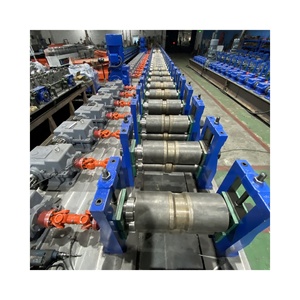
Warehouse Storage Mezzanine Floor Pallet Racking Sigma Beam Upright Roll Forming Machine for Industrial Racking System
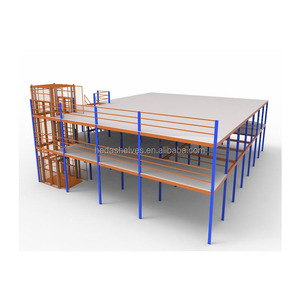
Mezanine Platform Heavy Storage Steel Platforms Two Floor Commercial Factory Steel Mezzanine Rack Factory Steel Mezzanine Rack
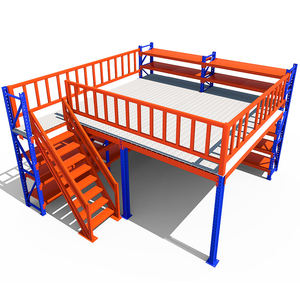
Steel Structure Mezzanine Floor Rack Platform
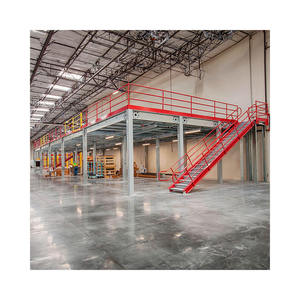
ISO CE Certified Heavy Duty Steel Mezzanine Floor Racking System Multi-level Warehouse Storage Platform Factory Supplier
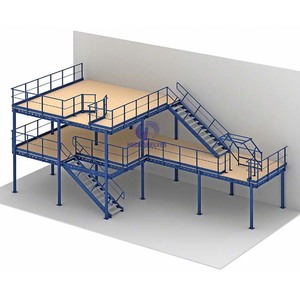
High Q235 Steel Warehouse Multi-level Mezzanine Flooring Rack Industrial Storage Platforms Shelving
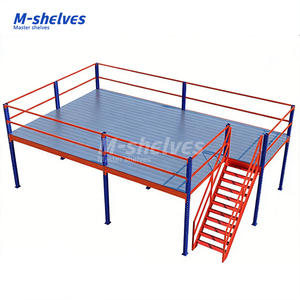
Heavy Duty Warehouse Mezzanine Platform Shelving Steel Structure Second-floor Racking System Customized Galvanized Panels
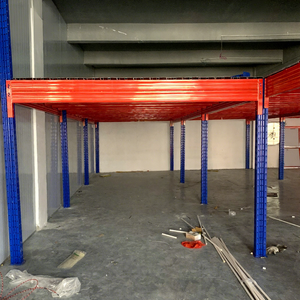
GXM Mezzanine Rack Steel Wood Based Floor Panels For Mezzanine Steel Mezzanine Floor Racking
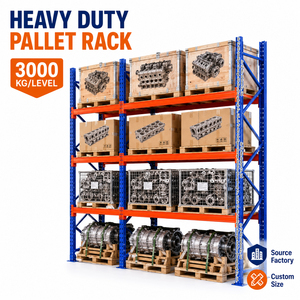
3000KG Heavy Duty Warehouse Shelf Rack For Pallet And Carton Storage 4 Levels For Pallet Storage
Why Enterprise Buyers Trust Rackzzszn Storage Equipment Co., Ltd.
Combining 23+ years of structural steel engineering with South China’s most advanced automated racking fabrication lines.
20,000m² Dedicated Production Base
Operating a massive industrial plant equipped with over 80 state-of-the-art cold-roll forming, automated punching, CNC bending, and robotic laser welding stations capable of continuous high-volume production output.
South China's Longest Spray Line
Features our proprietary continuous electrostatic powder coating line—the longest in South China. Enables multi-stage pre-treatment wash, rust conversion, and simultaneous triple-color application for extreme durability.
Zero-Defect Tolerances & Site Precision
We solve the industry's biggest nightmare: dimensional misfits. A floor deviation of merely 2 cm can ruin an entire column grid. Our structural engineering team pre-calculates building tolerances to absolute millimeter accuracy.
Engineering Whitepaper: Structural Optimization of Pallet Racking with Mezzanine Systems
In modern industrial logistics, floor area represents a primary operational cost driver. Traditional warehouse expansion involves costly real estate acquisition or structural building extensions. A rack-supported mezzanine system—integrating heavy-duty selective pallet racking with multi-tier floor platforms—delivers up to 200% to 300% additional usable storage space within the existing vertical building envelope.
1. Mechanical Upright & Sigma Beam Load Dynamics
Unlike standard shelving platforms, a pallet rack-supported mezzanine transfers multi-point static loads, dynamic forklift operational stress, and seismic forces directly through cold-rolled Q235B or high-tensile Q355B structural steel uprights. The upright profile features specialized teardrop or box-punched keyholes engineered to maintain joint rigidity under horizontal shear stress.
Our heavy-duty Sigma Beams and structural C-section beams are specifically chosen based on Finite Element Analysis (FEA). Sigma profile beams feature an inverted central fold that doubles the moment of inertia, allowing exceptional deflection resistance (exceeding L/200 load standards) across long clear-span picking corridors without increasing floor beam profile depth.
Information Gain Insight: Selecting between roll-formed and structural steel uprights depends heavily on forklift impact probability and point-load distribution. While roll-formed steel provides cost efficiency and modular adjustability, heavy structural steel columns are mandatory for main lower-tier transfer aisles handling over 3,000 kg per pallet bay.
2. Flooring Sub-System Selection Matrix
Choosing the correct floor panel configuration directly impacts warehouse acoustic insulation, fire sprinkler compliance, pallet truck rolling friction, and light transmission across sub-mezzanine tiers:
| Decking Type | Load Capacity (kg/m²) | Fire & Lighting Pass-Through | Optimal Industry Application |
|---|---|---|---|
| Solid Steel Planks (Ribbed) | 500 - 1,500 kg | Closed (Opaque) | Heavy machinery, oil-sensitive parts, cart traffic |
| Perforated Steel Grating | 300 - 1,000 kg | High (Water & Light Permeable) | High-rise sprinkler requirement compliance, HVAC flow |
| Steel-Wood Composite (GXM) | 300 - 800 kg | Acoustic Dampened | E-commerce manual picking corridors, office platforms |
| Hot-Dip Galvanized Panels | 500 - 2,000 kg | Corrosion Barrier | Cold storage (-30°C), chemical handling, humid zones |
Future Procurement Trends in Industrial Storage & Mezzanine Infrastructure
As global supply chains shift toward automated fulfillment, cold-chain expansion, and strict environmental sustainability, industrial warehouse racking procurement is evolving rapidly. Procurement managers and structural engineers must evaluate future-proofing parameters prior to finalizing facility layouts.
1. Integration of Autonomous Mobile Robots (AMRs) and AGVs
The next decade of mezzanine engineering will be dominated by hybrid human-robot environments. Traditional mezzanine flooring was engineered solely for point loads from manual hand trucks. Modern platforms require flat, high-tolerance flooring decking capable of supporting continuous AMR wheel point-loading, dynamic acceleration torque, and optical navigation line clarity.
2. Cold-Formed High-Yield Q355B Steel Adoption
Global logistics operators are moving away from heavy Q235 steel toward high-yield Q355B structural cold-formed profiles. Q355B steel offers higher tensile yield strength, reducing overall steel tonnage by up to 15% without sacrificing total floor load rating. This drastically lowers international ocean freight shipping costs and carbon footprints.
3. Modular Demountable Systems for Lease Facilities
With over 60% of modern logistics facilities operating under lease agreements, non-permanent, 100% bolt-connected modular mezzanines are rapidly replacing welded permanent steel structures. Rackzzszn’s fully bolted connector system allows enterprise tenants to dismantle, reconfigure, or relocate their multi-tier platform when shifting facility locations.
Critical Procurement Checklist: Avoiding Costly Layout & Safety Failures
Based on our 23+ years of international field installation audits, over 40% of third-party rack failures and installation delays stem from inadequate pre-procurement building surveys. A deviation of just 20 mm in a concrete slab or column alignment can trigger catastrophic installation blockages or unsafe frame eccentricities.
1. Floor Slab Capacity
Always verify concrete slab PSI and thickness. A multi-tier rack mezzanine exerts concentrated point loads up to 8,000 kg per base plate. Inadequate slab strength requires engineered spreader plates or resin anchor underpinning.
2. Clear Height & Obstructions
Ensure vertical clearance accounts for overhead HVAC ducts, ceiling joist deflection, lighting, and automated fire sprinkler clearance (minimum 18 inches below lower deck ceiling).
3. Egress & Fire Regulations
Multi-level picking platforms must strictly adhere to local IBC and OSHA stairwell width, handrail kickplate height (4 inches), emergency exit distance, and self-closing pallet loading gates.
Procurement & Engineering FAQ
Expert engineering answers to common inquiries from logistics directors, procurement heads, and structural consultants.
Request a Custom Engineering Design & Factory Direct Quote Today
Connect with our senior storage layout engineers to analyze your building drawings, select the exact load profile, and receive a complete CAD structural design within 24 hours.